
3 Reasons to Choose Design-Build Construction Over Traditional Methods
In the ever-evolving world of construction, choosing the right project delivery method is crucial. The Design-Build approach, which integrates both design and construction services, is gaining traction over traditional methods for numerous compelling reasons. As projects become increasingly complex and timelines more stringent, the need for efficient and innovative construction methods is more critical than ever. The design-build model offers a streamlined and cohesive approach that aligns with these needs, thereby setting new standards in the industry. This article explores the reasons why the Design-Build method is becoming the preferred choice for general contractors in modern construction.
1. Streamlined Communication and Collaboration
Unified Team Approach
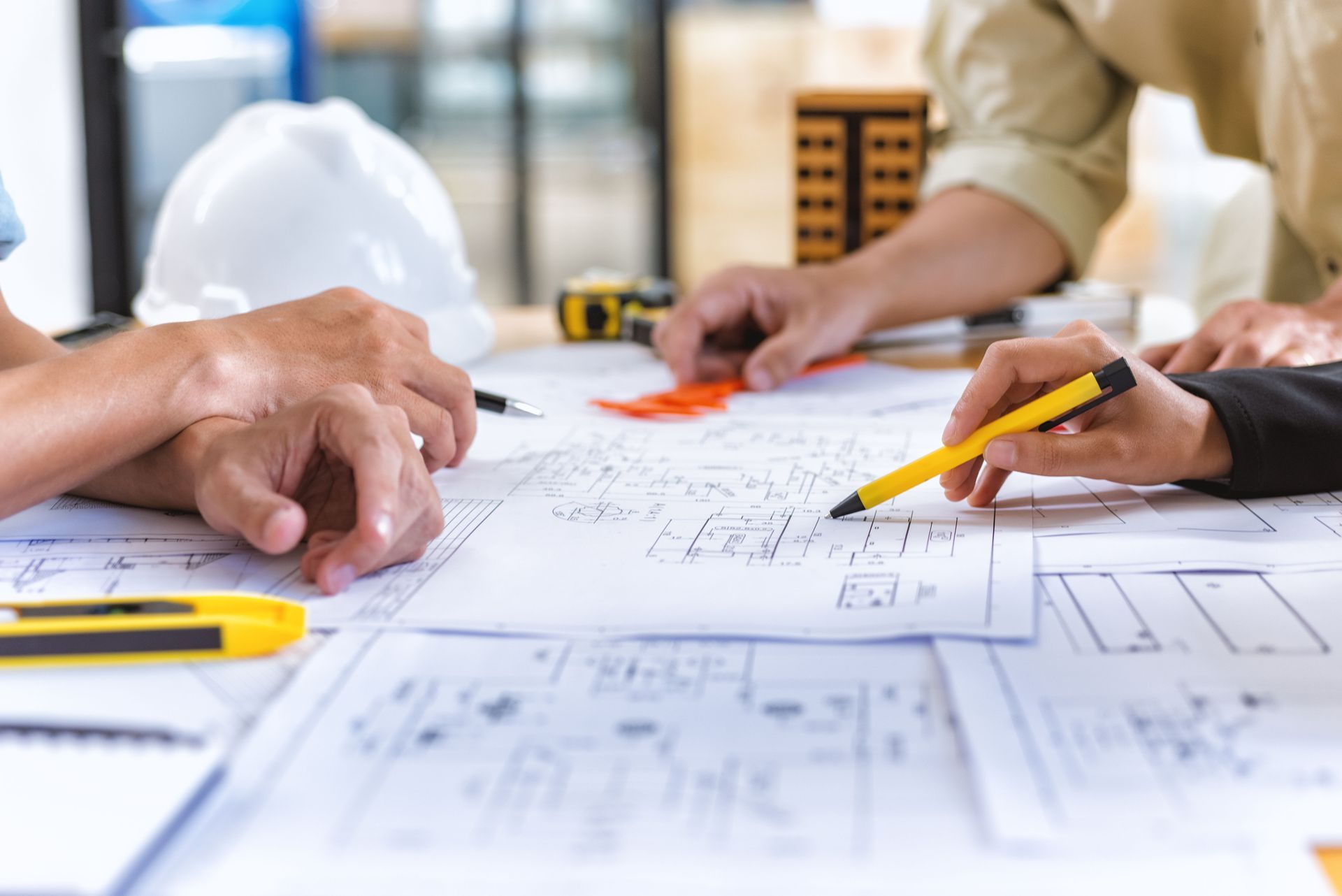
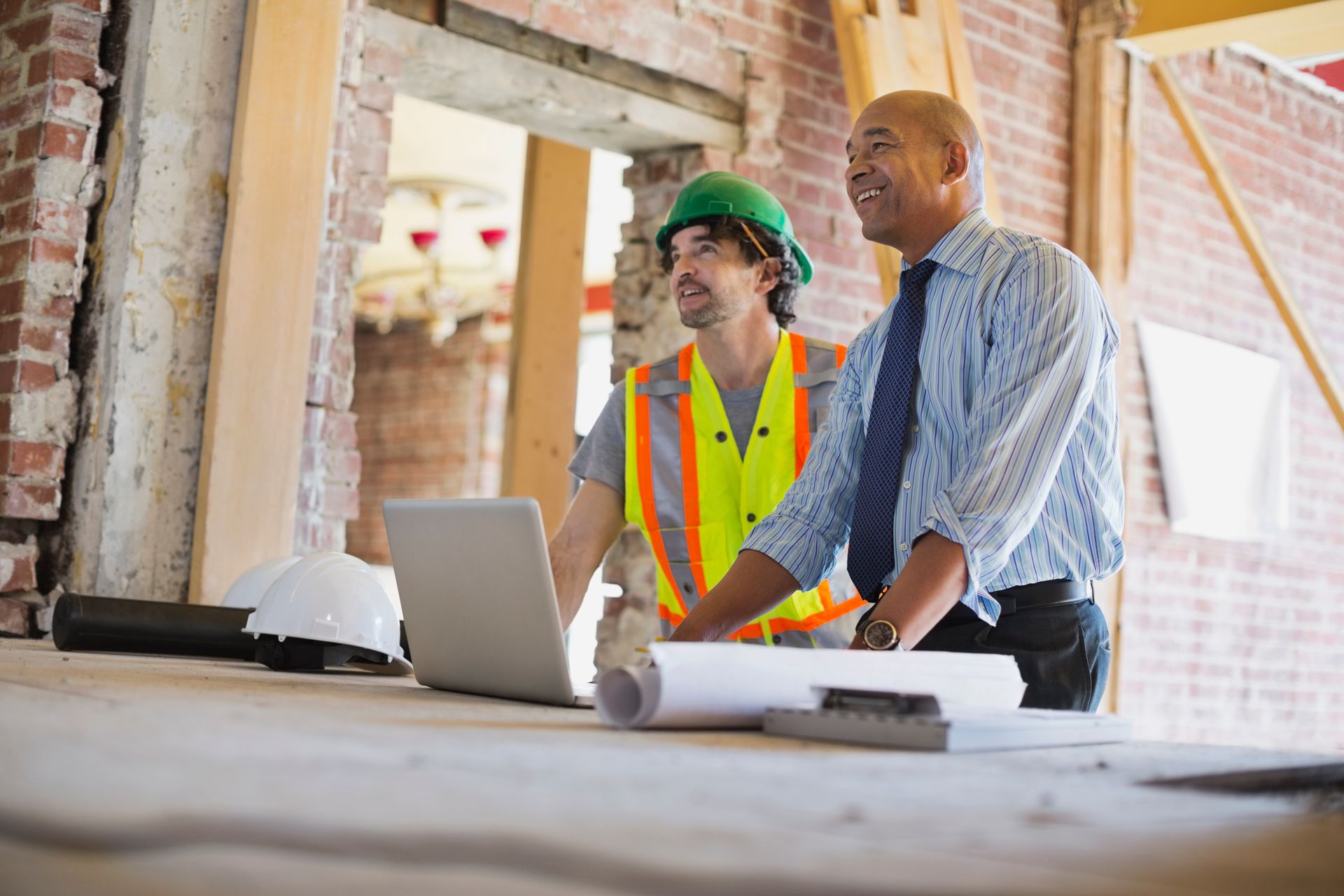
The Design-Build method fosters a unified team approach, where architects, engineers, and contractors collaborate seamlessly. Unlike traditional methods that often segregate these roles, Design-Build consolidates them into one cohesive unit. This integration not only enhances efficiency but also reduces the risk of errors. By having all stakeholders on the same page, the project benefits from shared objectives and a collective vision. This collaborative environment is integral to the success of Design-Build projects as it ensures all participants are aligned towards a common goal.
Single Point of Responsibility
In the Design-Build model, having a single point of responsibility is a significant advantage. This means that the entire project is overseen by one entity, which simplifies the management process. Clients benefit from having one primary contact, making it easier to communicate project requirements and changes. This clarity reduces confusion and potential conflicts that can arise when dealing with multiple firms. The single-point responsibility also enhances accountability, ensuring that issues are promptly addressed, and solutions are implemented swiftly.
Enhanced Stakeholder Communication
Enhanced stakeholder communication is another key benefit of the Design-Build approach. Communication channels are established early, and they remain open and active throughout the project lifecycle. This proactive communication strategy minimizes the likelihood of misinterpretations or delays in delivering critical information. Continuous interaction supports the rapid identification and resolution of issues, thereby keeping the project on track. Ultimately, improved communication fosters trust among all parties, enhancing cooperation and project success.
Reduced Miscommunications
The integration of design and construction services in a single entity greatly reduces the risk of miscommunications. In traditional methods, separate contracts can lead to misunderstandings and issues that delay progress. The Design-Build process eliminates these barriers by promoting direct and clear communication among the entire team. The reduced likelihood of communication errors translates to increased efficiency and smoother project execution. Projects under the Design-Build model often see fewer revisions and a more harmonious working relationship among team members.
2. Improved Quality Control
Integrated Team Accountability
The Design-Build approach enhances quality control through integrated team accountability. With everyone working toward a common goal, team members take collective responsibility for project success. This shared accountability promotes higher standards and a commitment to delivering quality outcomes. Each participant actively contributes to maintaining and enhancing project standards. This commitment and collaboration are critical to achieving the high-quality outputs that characterize successful Design-Build projects.
Comprehensive Quality Checks
Comprehensive quality checks are integral to the Design-Build process, ensuring the highest standards are met throughout the project lifecycle. Regular inspections and evaluations take place at various construction stages, identifying issues before they become significant. This proactive approach allows for immediate corrections, preserving overall quality and project momentum. Rigorous quality checks instill confidence in clients, knowing the project adheres to agreed standards. As a result, the final deliverables are not only on time but also reflect the project's desired quality and durability.
Use of Advanced Construction Techniques
Design-Build projects benefit from the use of advanced construction techniques that drive quality improvements. Embracing the latest technologies and methods ensures the efficiency and effectiveness of construction processes. These innovations, combined with a cohesive team approach, contribute to superior quality outputs that meet modern expectations. The integration of avant-garde techniques is a testament to the progressive nature of Design-Build. Clients reap the rewards of projects executed with cutting-edge methods, setting a new benchmark for quality in the industry.
Ongoing Quality Assurance
Ongoing quality assurance is fundamental in the Design-Build process, maintaining high standards from start to finish. Continuous monitoring and feedback loops ensure adherence to quality protocols throughout the project. This vigilance helps sustain consistent quality levels and supports timely identification of issues. Quality assurance is not a one-time checkpoint but an evolving process that underpins the entire project. This commitment to excellence ensures that the final product meets the highest industry standards.
Minimized Rework
The Design-Build process minimizes rework through effective coordination and detailed planning. Errors and revisions, common in traditional methods, are significantly reduced through integrated collaboration. The cohesive approach ensures that all team members are aligned, reducing miscommunication and misunderstandings that could lead to costly rework. This efficiency translates into time and cost savings, enhancing project outcomes. The minimization of rework is a testament to the high level of coordination and planning characteristic of Design-Build projects.
3. Greater Flexibility and Innovation
Adaptive Design Process
The adaptive design process embodied by Design-Build allows for flexibility to accommodate evolving project needs. Changes often arise during construction, and the ability to adapt quickly is crucial for maintaining project momentum. The integrated approach makes it easier to implement design adjustments while minimizing disruptions. This flexibility encourages creativity, allowing teams to explore innovative solutions that meet project specifications and client expectations. The ability to adapt fluidly enhances project resilience and overall satisfaction.
Innovative Solutions
Encouraging innovative solutions is a hallmark of the Design-Build approach. From the onset, teams are encouraged to think creatively and explore innovative ideas that enhance project outcomes. This philosophy fosters an environment where innovation is valued, and transformative solutions can emerge. With the support of the latest technologies and methods, projects benefit from state-of-the-art designs and implementations. Encouraging innovation from project inception ensures that the final results are both groundbreaking and functional.
Responsive to Changes
Being responsive to changes is an inherent advantage of the Design-Build process. As client needs evolve or market conditions shift, the ability to adjust the project accordingly is critical for success. This responsiveness ensures that the final project aligns closely with current expectations and requirements. The Design-Build model's adaptability accommodates changes without substantial disruptions or delays. This flexibility fosters client satisfaction by producing a final product that meets both initial and evolving demands.
Customization and Personalization
Customization and personalization are significant advantages of the Design-Build approach, allowing projects to be tailored to specific client needs. By involving clients throughout the process, the final product aligns closely with their vision and preferences. This level of involvement and customization increases client satisfaction and success. Designers and builders work collaboratively to incorporate personalized elements, ensuring the end product stands out in quality and functionality. This tailored approach reinforces the value of Design-Build as a client-focused method that meets unique requirements.
With its numerous advantages, Design-Build is rapidly becoming the preferred choice in the construction industry. According to Auto Desk, design-build is anticipated to represent 47% ($1.9 trillion) of construction spending in the US in 2026. The method's emphasis on collaboration, efficiency, and quality not only improves project outcomes but also delivers significant cost and time savings. As more firms embrace innovation, the future of construction looks promising with Design-Build at the forefront. Its capability to address modern construction challenges positions it as a leading methodology in achieving superior project results. If you want to learn more about why
general contractors are choosing an integrated Design-Build approach, reach out to Demien Construction today!






Share On: