
Key Questions to Ask When Hiring a Commercial General Contractor
Hiring the right commercial general contractor is one of the most important decisions you will make for any commercial construction or renovation project. Whether you are building a new facility, remodeling an existing space, or expanding operations, the contractor you choose will directly impact your budget, timeline, and overall quality of work. A strong partnership can lead to a smooth, efficient project, while the wrong choice may result in costly delays, miscommunication, or substandard results.
Because commercial projects are complex and involve multiple stakeholders, materials, and regulatory requirements, asking the right questions upfront is essential. These questions help you evaluate experience, communication practices, project management skills, and financial transparency. They also clarify expectations on both sides before work begins.
The following sections outline key questions every business owner or property manager should ask when hiring a contractor. Taking the time to address these topics early can help ensure your project is completed efficiently, safely, and to your standards.
Evaluating Experience With Similar Projects
One of the first questions to ask any commercial general contractor is about their experience with projects similar to yours. Commercial construction varies widely depending on the industry, building type, and scope of work. An office build-out, retail renovation, and industrial facility each present unique challenges that require specific knowledge and skills.
Ask how long the contractor has been operating in the commercial sector and what types of projects they complete most frequently. Request examples of past work that align closely with your project’s size, complexity, and function. This helps you determine whether the contractor understands the practical and regulatory demands associated with your type of property.
Experience also influences problem-solving ability. Contractors who have managed similar projects are better prepared to anticipate potential issues and respond effectively when challenges arise. This reduces the likelihood of delays and unexpected costs while improving overall project efficiency. They are familiar with common obstacles such as supply chain delays, permitting complications, or coordination between multiple subcontractors, and can implement solutions quickly to keep the project on track. This proactive approach not only reduces the likelihood of delays and unexpected costs but also fosters smoother communication among team members and stakeholders, ultimately improving overall project efficiency and ensuring a higher quality end result.
Understanding Project Management and Communication
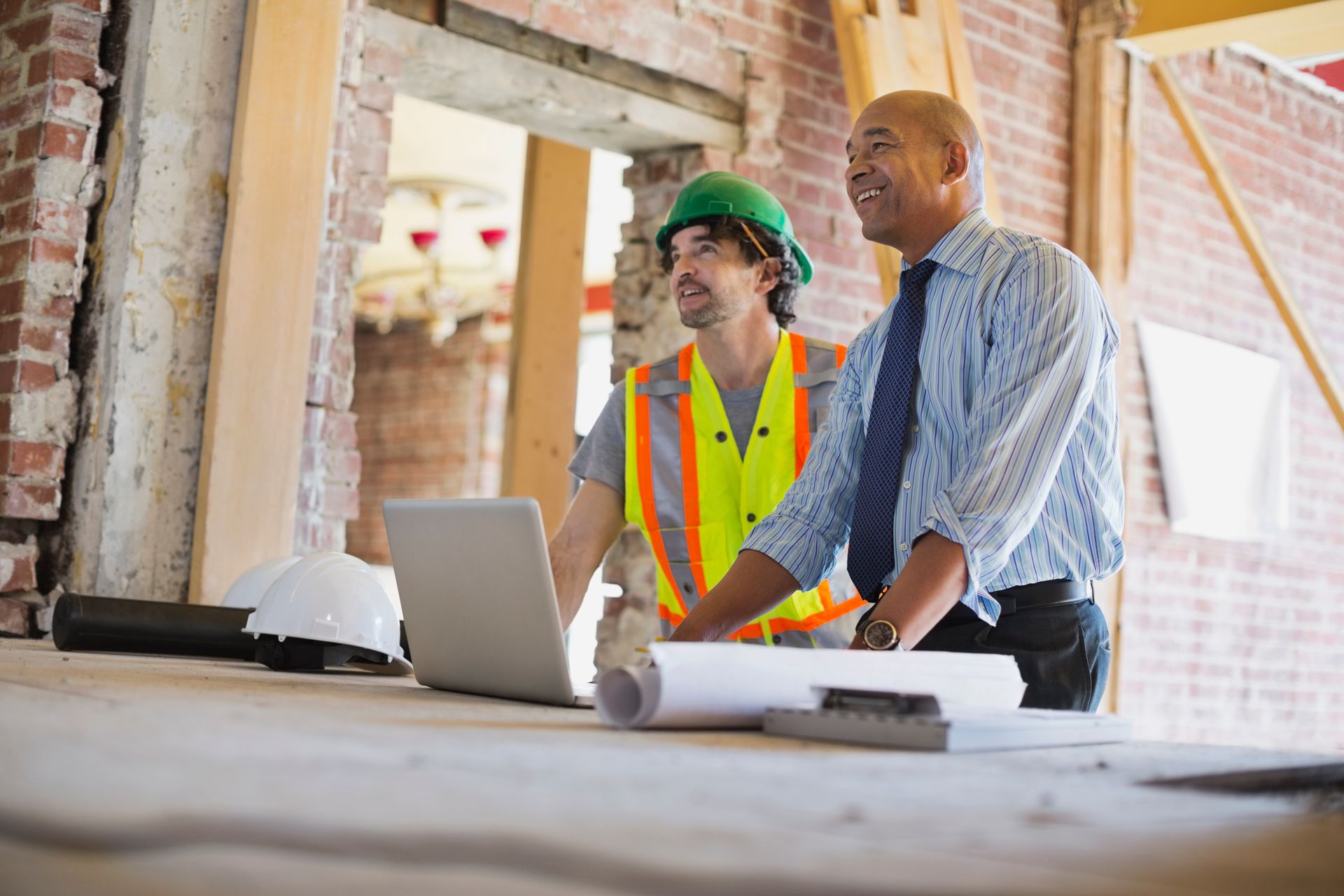
Clear communication is essential for any successful construction project. Ask how the commercial general contractor manages projects day to day and who your primary point of contact will be. Knowing who oversees scheduling, subcontractors, and on-site work helps prevent confusion and ensures accountability throughout the process.
It is also important to understand how progress updates will be shared. Regular meetings, written reports, or digital project management tools can keep everyone informed and aligned. Consistent communication allows issues to be addressed quickly before they escalate into major setbacks. Establishing a clear communication schedule from the start ensures all parties have realistic expectations and promotes accountability throughout the project.
Additionally, ask how changes are handled once the project is underway. Scope adjustments, material substitutions, or unforeseen site conditions are common in commercial construction. A clear process for change orders and approvals protects both parties and keeps the project moving forward without unnecessary conflict.
Reviewing Licensing, Insurance, and Compliance
Before hiring any commercial general contractor, confirm that they meet all licensing and insurance requirements. Proper licensing demonstrates that the contractor is legally authorized to perform commercial construction work in your area and understands applicable building codes.
Insurance is equally critical. Ask for proof of general liability insurance, workers’ compensation coverage, and any additional policies relevant to your project. These protections help safeguard your business from financial liability in the event of accidents, property damage, or injuries on-site.
Compliance extends beyond paperwork. Ask how the contractor ensures adherence to safety regulations, zoning laws, and local building codes. A contractor who prioritizes compliance reduces the risk of fines, work stoppages, or failed inspections that could delay your project. This proactive approach also supports safer job sites and helps maintain consistent progress from start to finish.
Clarifying Pricing Structure and Cost Transparency
Understanding how costs are calculated is a key part of selecting the right commercial general contractor. Ask for a detailed breakdown of estimates, including labor, materials, subcontractor fees, and overhead. Transparent pricing allows you to compare bids accurately and avoid surprises later.
It is also important to discuss how contractor fees are structured. Some contractors charge a fixed fee, while others work on a percentage of the total project cost. According to Method, 10-20% of a project's total construction costs will be added onto the payment for a general contractor's service. Knowing this helps you evaluate proposals realistically and plan your budget accordingly.
Ask how unforeseen expenses are handled and whether contingency allowances are included. A clear understanding of cost controls, invoicing schedules, and payment timelines helps maintain trust and financial stability throughout the project. Discussing these details upfront also minimizes the risk of disputes and ensures both parties are aligned on budget expectations.
Assessing Scheduling and Timeline Management
Timelines are critical in commercial construction, especially when delays can affect business operations, tenants, or revenue. Ask the commercial general contractor how they develop project schedules and what steps they take to keep work on track.
Understanding how subcontractors are coordinated is especially important. Delays often occur when trades are not properly scheduled or when materials are not delivered on time. Experienced contractors have systems in place to manage these dependencies efficiently.
You should also ask how weather, supply chain disruptions, or unexpected site conditions are addressed. While not all delays can be avoided, a contractor’s ability to adapt and communicate adjustments clearly can make a significant difference in overall project success.
Verifying References and Reputation
A reputable commercial general contractor should be willing and able to provide references from past clients. Speaking directly with previous customers offers valuable insight into what it is like to work with the contractor beyond what marketing materials may suggest.
Ask references about communication, adherence to schedules, budget management, and overall satisfaction with the finished project. Consistent feedback across multiple references is a strong indicator of reliability and professionalism.
You may also want to research online reviews or industry affiliations. While no contractor is immune to occasional challenges, a pattern of unresolved complaints or poor communication can be a red flag. Verifying reputation helps you make a more informed, confident decision.
Hiring a commercial general contractor is a decision that requires careful consideration and thoughtful questioning. By evaluating experience, communication practices, compliance standards, pricing transparency, scheduling methods, and reputation, you gain a clearer picture of whether a contractor is the right fit for your project.
Taking the time to ask these key questions upfront helps prevent misunderstandings and reduces the risk of costly issues down the line. A qualified contractor will welcome these discussions and provide clear, honest answers that demonstrate professionalism and preparedness.
Ultimately, the right contractor is not just someone who can complete the work, but a partner who understands your goals and is committed to delivering quality results on time and within budget.
If you are planning a commercial construction project and want a reliable partner to guide you through every phase, Demien Construction brings the experience, transparency, and professionalism needed to help your project succeed.




Share On: